
Some spaces get too much light during the day. Conservatories, skylights, and pergolas are designed to bring in sunlight, but without proper shading, they can become uncomfortable. Heat, glare, and lack of privacy often limit how and when these areas can be used.
This can lead to higher cooling costs, faded furniture, and outdoor spaces that sit unused. In summer, it’s common for rooms with skylights or glass roofs to overheat. In winter, heat can escape without proper insulation. Outdoor pergolas may also be too exposed to sun or wind.
Blinds are a practical way to manage these problems. They help reduce heat, block glare, and create flexible zones that stay functional across seasons. This guide breaks down how different types of blinds support comfort and energy efficiency in sun-exposed areas.
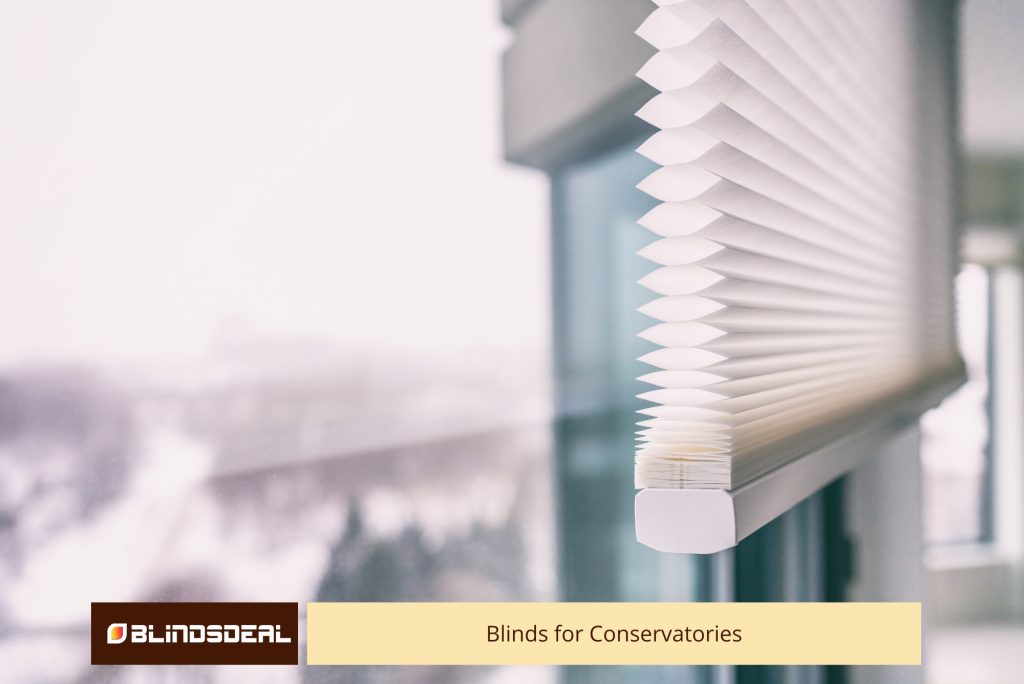
Conservatories often become too hot or bright during the day. Without blinds, the sun can make the space difficult to use, especially in summer. UV rays may also damage furniture, flooring, and other surfaces if left unfiltered.
Blinds help manage both light and heat. They reduce glare, support better temperature control, and improve overall comfort. Some designs also add insulation, making the space more usable year-round. In cooler months, they help retain warmth. In summer, they limit heat build-up and reduce air-conditioning costs.
Privacy is another benefit. For street-facing or suburban homes, blinds allow filtered light while keeping the space shielded from view. Styles like pleated or cellular blinds provide a clean finish and take up less space than bulkier options.
When matched to the size and layout of the windows, blinds can make a conservatory feel more like a regular room in the home. This allows for more consistent use, whether it’s set up as a lounge, home office, or dining space.
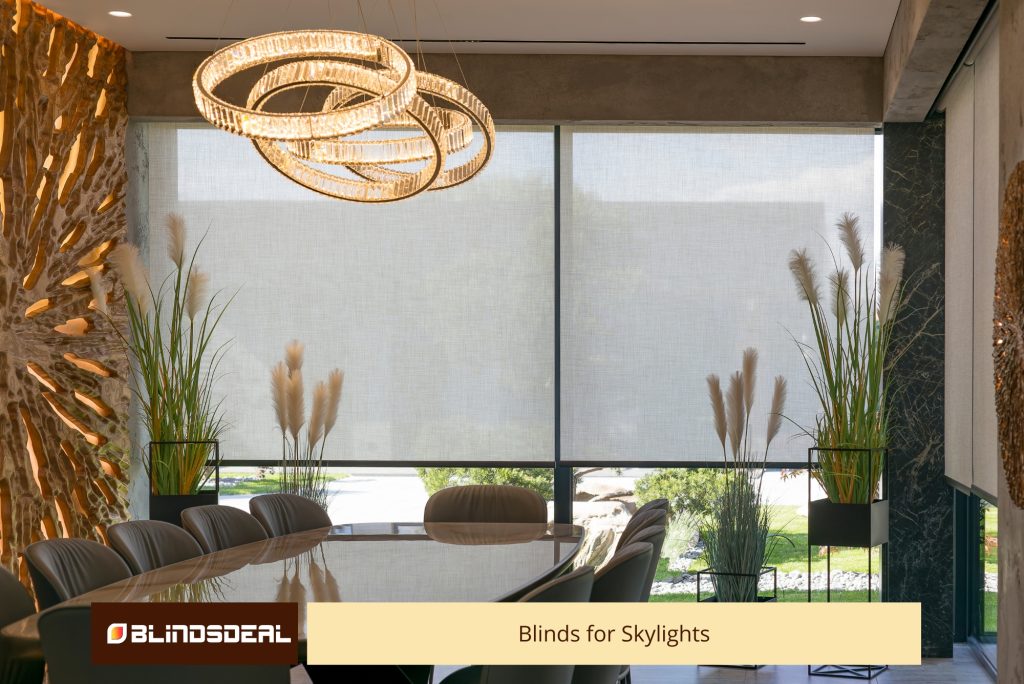
Skylights bring natural light into rooms that might otherwise feel dark, but they can also create heat and glare issues. During warmer months, these windows often cause rooms to overheat or become too bright during the day.
Blinds made for skylights help reduce these problems without blocking the entire window. They can limit direct sun, cut down on glare, and help regulate room temperature. This makes the space easier to use throughout the year—especially in bedrooms, lofts, or attic conversions.
In winter, skylight blinds can also help keep warmth in, reducing the need for extra heating. For households trying to manage cooling costs in summer, they’re a simple way to reduce heat gain. Remote or motorised options make them easy to operate, even when the window is out of reach.
Blackout blinds are often chosen for sleeping areas, while light-filtering fabrics work well for kitchens or hallways. All styles help protect floors and furniture from UV damage, especially in spaces with timber or fabric surfaces exposed to daily sun.
Outdoor areas like pergolas can be hard to enjoy when there’s too much sun or wind. Without shade, the space often gets too hot during the day or lacks enough cover to sit comfortably.
Outdoor blinds provide better control over light, airflow, and weather exposure. They create a barrier against harsh sun, rain, and wind, making the area more usable in different seasons. For homes with outdoor dining zones, they also help keep the space more private without fully enclosing it.
Clear PVC and mesh blinds are common choices. These allow airflow and visibility while still reducing sun glare or wind chill. Blinds can be added to one or more sides of a pergola, depending on where the most sun or wind exposure occurs.
Blinds also support nearby indoor areas. By shading windows or sliding doors connected to a pergola, they help reduce indoor heat. This can limit the need for cooling, especially in open-plan living spaces connected to the outdoors.

Roller blinds are one of the most practical options for conservatories. They’re simple to operate and available in light-filtering, sunscreen, and blockout materials to suit different levels of heat and sunlight. For skylights or outdoor areas, made-to-fit blinds improve usability without removing natural light completely.
Each space has different needs. Bedrooms benefit from blackout fabric, while open outdoor zones may require PVC or mesh to block wind and glare. Choosing the right blind can reduce energy use and help protect furniture, flooring, and indoor comfort.
Blinds Deal offers a full range of window coverings, including roller blinds designed for sun-facing rooms.
Not sure which blind suits your space? Send an enquiry to get started.