
Blockout blinds completely block sunlight, offering full darkness and privacy, while light-filtering blinds allow natural daylight to pass through while reducing glare. The main difference lies in how much light each fabric allows into a room and the level of privacy it provides.
Blockout blinds suit bedrooms and home theatres where total light control is essential. Light-filtering blinds work better in areas where daylight is desirable, such as living rooms and kitchens. Choosing the right type depends on the function of each room and how much sunlight it receives.
Understanding these differences helps avoid problems like glare, heat build-up, or lack of privacy. Selecting the correct fabric improves comfort, lighting balance, and overall energy efficiency in the home.
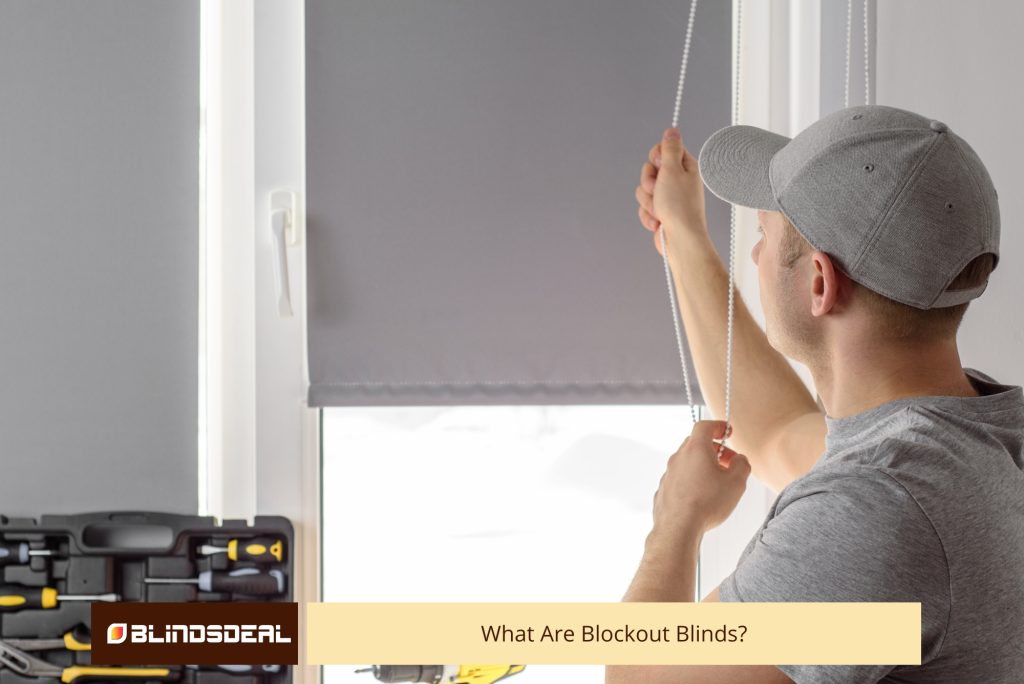
Blockout blinds are made from dense, coated fabric that prevents any light from passing through. When closed, they create total darkness, making them ideal for bedrooms, nurseries, and home theatres. The thickness of the material also provides insulation, helping maintain indoor temperature and reduce outside noise — a benefit in busy streets or apartment buildings.
Advantages of blockout blinds include
Blockout fabrics are available in many colours and textures, allowing coordination with different interiors. They’re commonly fitted as roller, vertical, or Roman blinds, and can be combined with light-filtering fabric in a dual system for more flexibility.

Light-filtering blinds use translucent fabric that softens sunlight while reducing glare. They allow enough natural light to brighten a room but still maintain daytime privacy. These blinds work best in living rooms, dining areas, or offices that benefit from steady natural light.
The fabric also blocks a portion of UV rays, which helps prevent fading of furniture, floors, and artwork. Lighter colours produce a softer glow, while darker tones create a warm, filtered light effect.
Benefits of light-filtering blinds
Their light texture gives them a clean, modern look that blends easily with various décor styles.
Blockout and light-filtering blinds serve distinct purposes. Blockout fabrics eliminate light for maximum privacy, while light-filtering fabrics allow soft daylight to pass through. The best choice depends on whether a room needs darkness or brightness.
| Feature | Blockout Blinds | Light-Filtering Blinds |
|---|---|---|
| Light Control | Blocks sunlight for full darkness | Allows soft daylight with reduced glare |
| Privacy | Complete day and night privacy | Daytime privacy only |
| Energy Efficiency | Strong insulation to stabilise temperature | Moderate insulation with light diffusion |
| Noise Reduction | Dense fabric dampens sound | Limited acoustic effect |
| UV Protection | Prevents fading of interior surfaces | Reduces UV exposure by filtering light |
| Ideal For | Bedrooms, media rooms, nurseries | Living rooms, dining areas, offices |
Both options improve comfort and energy performance, but blockout blinds provide stronger insulation and privacy benefits.
Sunscreen blinds, sometimes called screen blinds, provide a middle option between blockout and light-filtering styles. They allow outward visibility while filtering UV rays and reducing glare from direct sunlight.
These blinds use finely woven mesh fabric that controls brightness without completely blocking the view. They are ideal for living rooms or offices with outdoor views but should be paired with blockout blinds or curtains for full privacy at night.
Adding sunscreen blinds to a dual system provides flexible control over light and visibility. This option suits open-plan spaces where natural light and outdoor views are equally important.
A dual blind system combines blockout and light-filtering fabrics on a single fitting, allowing both light control and privacy. The light-filtering fabric can be used during the day for brightness, while the blockout layer provides full coverage when needed.
Benefits of dual blind systems
Motorised systems make dual blinds easy to adjust with a remote or app, particularly on large or high windows. They allow smooth transitions between fabrics to match lighting conditions throughout the day.
For examples of suitable fabrics and designs, view the roller blinds collection.


Choosing the right blinds depends on each room’s purpose and the amount of light preferred. Bedrooms and media rooms work best with blockout blinds, while shared areas benefit from light-filtering or screen fabrics that let in daylight.
Factors to consider when selecting blinds
Combining different types of blinds throughout the home provides a balance of light, privacy, and comfort. The result is improved usability across rooms without compromising on style.
Choosing the right blinds enhances comfort, privacy, and light control throughout the home. Blockout fabrics offer full darkness and insulation, while light-filtering options soften daylight to create a balanced atmosphere.
A wide range of blockout, light-filtering, screen, and dual systems is available through Blinds Deal. Compare materials, colours, and operating styles to achieve the best balance between natural light, privacy, and energy efficiency.