
Manual blinds can become difficult to manage—especially across large homes, high windows, or during seasonal temperature changes. Smart blinds offer a direct solution by allowing control through mobile apps, voice assistants, or automated routines. This replaces guesswork with consistent comfort and efficient energy use.
Many households are adopting smart blinds as part of home automation systems. They work well for renovations, upgrades, or new builds. Their role goes beyond convenience—they help reduce the use of heating and cooling systems, add functional light control, and maintain a clean interior design.
This makes them a valuable addition for households aiming for smarter living without unnecessary complexity.
Smart blinds operate through a motor and respond to inputs from a remote control, smartphone app, or a connected platform like Alexa or Google Assistant. Some models allow scheduled actions such as closing at sunset or opening in the morning. This removes the need for daily manual adjustments.
Most types include roller, cellular, or Venetian blinds, powered by battery, solar, or wired systems. Battery-operated blinds are easier to install and suit smaller households or renters. Wired options are more suited for long-term setups or large window areas. Solar-powered units reduce ongoing maintenance and align with energy-saving efforts.
Each system’s strength lies in how well it integrates with existing routines. The goal is consistent control with minimal effort.
Smart blinds work with major automation platforms, including Google Home, Amazon Alexa, and Apple HomeKit. These connections allow voice-based control or automated triggers based on time, temperature, or lighting conditions.
You can create custom routines—for example, closing blinds and dimming lights at night without using multiple apps. Some systems support advanced sensor input, such as heat or brightness detection, which allows the blinds to adjust automatically throughout the day.
Compatibility is a key factor when choosing a system. Not all blinds support every platform, so checking specifications in advance avoids later setup issues.
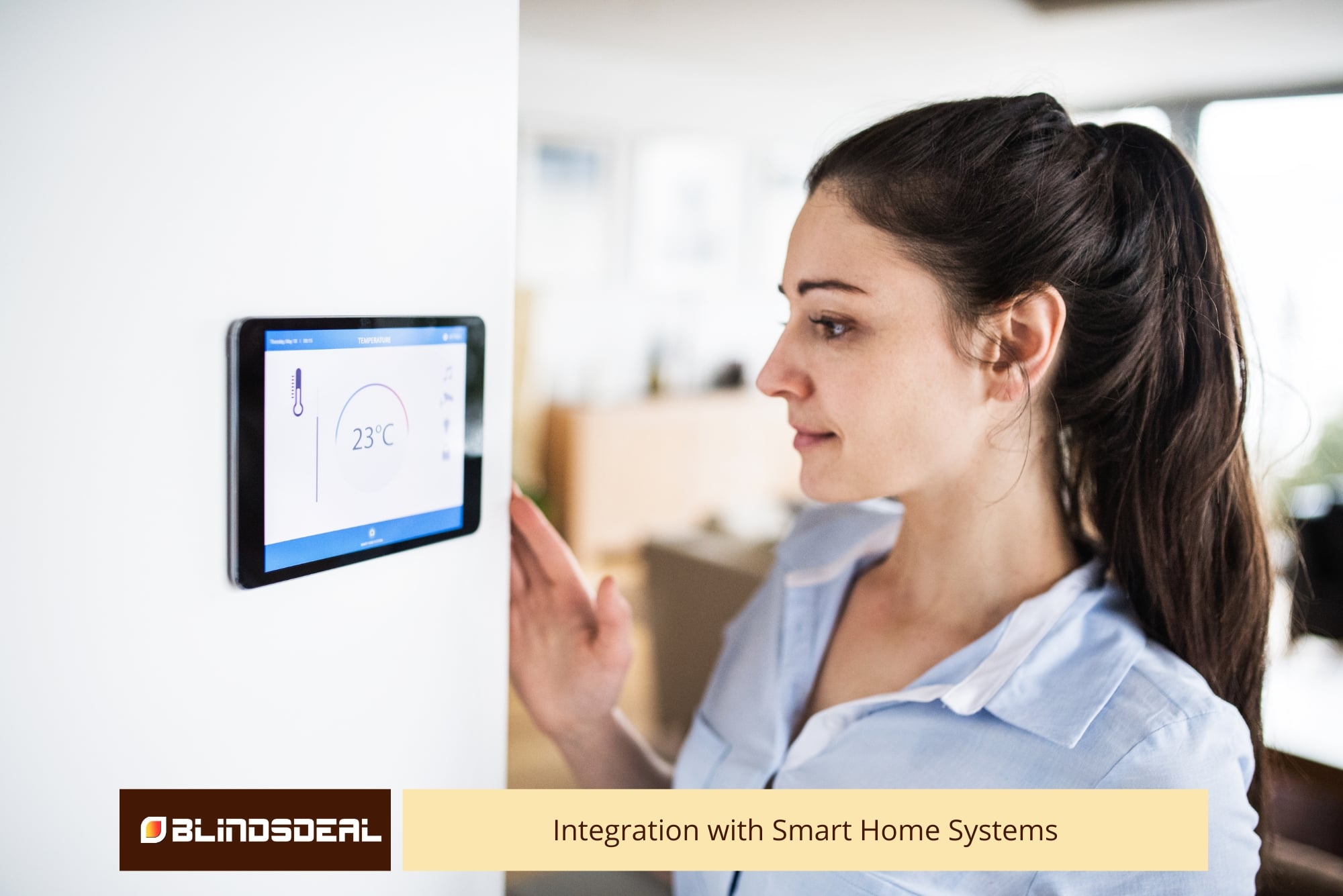
Uncontrolled sunlight can lead to indoor heat buildup, glare, and higher energy use. Smart blinds can block direct sun exposure during the hottest part of the day, reducing the load on cooling systems. During winter, they can remain open during sunlight hours to trap warmth and close at night to reduce heat loss.
Blinds with light or heat sensors can respond in real time. These adjustments happen without needing to change settings manually, which helps maintain steady indoor conditions. The result is lower energy use, reduced strain on heating and cooling, and fewer temperature shifts in occupied rooms.

This function is particularly useful in open-plan homes, west-facing rooms, or properties with large windows.
Smart blinds support households that value convenience, flexibility, and better accessibility. They benefit users with mobility restrictions by removing the need to physically reach or operate cords. They also allow parents or busy residents to control several rooms from one app, even when not at home.
Most systems offer options for room-specific settings. For example, blinds in bedrooms can stay closed during the morning while kitchen or living room blinds open automatically. This helps manage privacy and daylight entry based on real use of each space.
Remote access adds another layer of value. Even while travelling, users can keep blinds active through scheduling or app control—adding both practical function and a sense of occupancy to the home.
Cordless design makes smart blinds suitable for users prioritising safety and a clean look. With no visible cords or chains, the design meets modern safety standards and supports uncluttered interiors.
Available in different colours, materials, and light-filtering levels, smart blinds can be matched to different types of home décor. Popular choices include timber-style finishes, plain fabric rollers, and cellular shades. Some systems allow combining blackout and sheer panels on a single window to adjust light levels at different times of day.
The goal is not only function, but compatibility with the home’s design and layout.
Smart blinds are evolving to offer more advanced and less manual operation. Trends shaping current product designs include:
These features move beyond basic automation and make the system more responsive to daily routines without user input.
Battery-operated blinds can be installed using basic tools. Most suppliers provide setup guides and app walkthroughs to complete the installation without technical help. These are suitable for renters or homeowners who want to avoid structural modifications.
Wired blinds require electrical access points and professional installation. This is recommended for large-scale setups, smart homes under construction, or where users want a permanent system linked to existing home wiring.
When choosing a model, confirm its compatibility with your smart home system. Also consider the power source, app control method, and level of automation supported. Some lower-cost models may not integrate with broader automation systems.

Smart blinds cost more upfront than manual types due to motor functions, automation features, and setup requirements. Total price depends on:
Basic models usually start from $200 to $400 per blind for battery-powered options. Premium systems with full smart home support, solar charging, and wider coverage can reach $600 to $1,000 each.
One way to manage cost is to begin with key rooms and expand later. Many systems allow step-by-step upgrades without replacing earlier installations. Over time, energy savings and easier light control can offset the initial spend.
Maintenance needs are low. Solar models need no recharging. Battery units often run for months before needing replacements. Wired systems rely on stable electrical supply and rarely need servicing.
Smart blinds offer energy control, daily convenience, and cord-free operation. They suit both smart-enabled homes and users starting small with basic automation.
Smart blind upgrades suit:
Smart blinds fit well with existing platforms like Alexa or Google Home. They manage light, heat, and privacy without relying on physical access. This helps reduce use of air conditioning or heating throughout the day.
Many systems now support easy app-based setup and flexible controls without advanced tech skills. Smart blinds have become a practical feature for homes focused on energy efficiency, routine management, and simple operation.
Blinds Deal supplies smart blinds that connect with major home systems and support cordless, app-based control across different room types. We help match products based on layout, power source, and automation needs—without overcomplicating setup.
Our team assists with product selection, platform compatibility, and ordering. Whether you’re fitting out one room or upgrading your whole home, we guide the process to ensure reliable performance.
Contact us and speak with our team, check product options, or place your order online.